Running With Rabb, Reflections
Cooper B. from Philadelphia DSA shares his experiences of campaigning for newly elected congressman (PA-200), Chris Rabb

Chris Rabb’s victory in the Congressional primary this past May – essentially a guaranteed win of the seat – was not just monumental as the election of a Democratic Socialist. It was also a huge step forward for Philly DSA and the Democratic Socialists of America as an organization. As a chapter, there were many lessons that we learned from this campaign, and I hope to share these reflections so other chapters can benefit from our experiences as well.
The Lead-Up
To give you a full picture, I want to take you back to 2019, when I interned for Rep. Rabb’s office. During my senior year of high school, I became an intern for State Representative Chris Rabb as a part of a senior capstone project, my first real entrance into politics. Having grown up in Rep. Rabb’s district and with an interest in left-wing politics, this chance to work in his office was one of the foundational steps to the organizing path I would later find myself on. Starting during the first few months of Covid-19 and the lockdown that followed, my primary work revolved around helping with constituent services. As part of Rep. Rabb’s team, we made sure that old folks were being taken care of, calling on them to make sure of that they were the first to be given access when vaccines started rolling out in addition to other basic services such as helping get potholes filled, making sure trash was being picked up, or stop signs were maintained. As summer rolled around and people were getting restless after months of lockdown. The city was dealing with young folks setting fireworks off all over the city at random hours every day, leading to fear and rumors around police attempts to disrupt Black Lives Matter protests. Rep Rabb’s team worked hard to dispel these rumors, and he himself went to community meetings on fire safety to make it clear that the real issue was kids not having proper social spaces and were being forgotten during the pandemic. Once I went off to college, I helped Rabb’s office on and off as a volunteer for community events. We did anything from street clean ups to helping people retrace their ancestry with the city records office. Rep. Rabb was so popular in the district because he was always there for the people, whether it was helping at these town halls, at the encampments, or with people protesting in Harrisburg.
Once I graduated college in 2024, I did what many others did and joined DSA. This came right before Zohran’s win in NYC and the wave of victories that followed, as well as the increase of fascism and continued onslaught and genocide of the Palestinian people. Later in 2025, Pennsylvania House Representative Dwight Evans announced his retirement and people began their plans to run for the open seat. Initially, when I heard Rep. Rabb was running for the seat, I was unsure of the viability of a DSA campaign as he had not been a member prior, but I still wanted to help elect this man who was instrumental in my political development and of whom I was fond of as a person. I reached out to the campaign and offered my help, initially just as a volunteer.
Rep. Rabb and the campaign wanted this to turn into a DSA operation, as he had worked with us previously within the State House and during campaign work, but had previous hang ups about joining outright. So we began hosting town halls in people’s homes and fundraisers to get to know him before he sought our endorsement. One of these fundraisers at a DSA member’s home held discussions primarily around international solidarity, and members got the opportunity to talk to Rep. Rabb about the work we had been doing as Philly’s International Solidarity Committee in an attempt to gauge his positions around these issues. He believed Israel was committing genocide and that the Palestinian people deserved self-determination, but coming from more of a Black radical and abolitionist background, foreign policy was still not something he was very well-versed in. After discussion during the event and continued conversations, we began to shape his platform on foreign policy and found ourselves in alignment on platform planks such as Right of Return, Palestinian self-determination, sanctions on Israel, and many more.
The Race
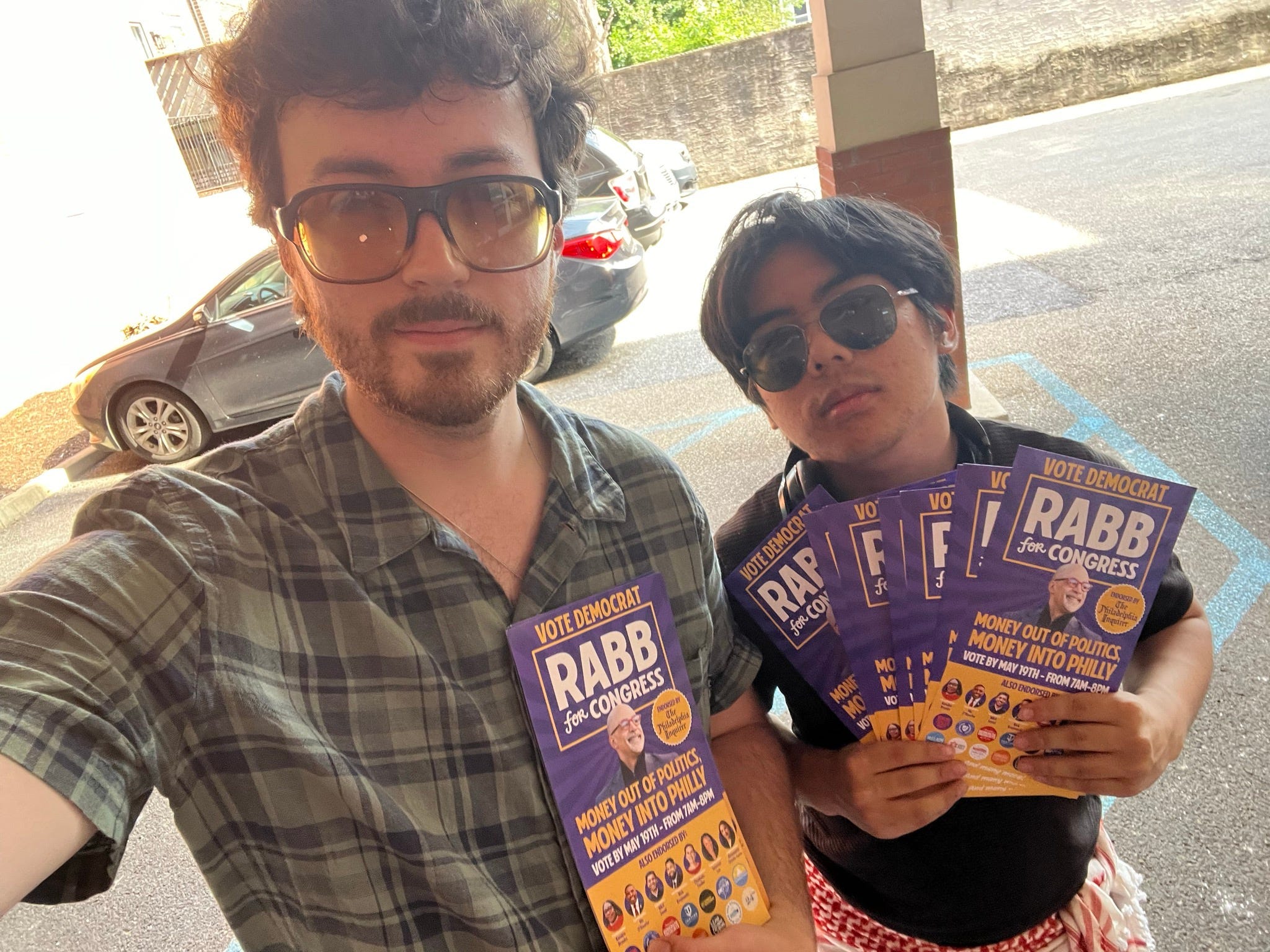
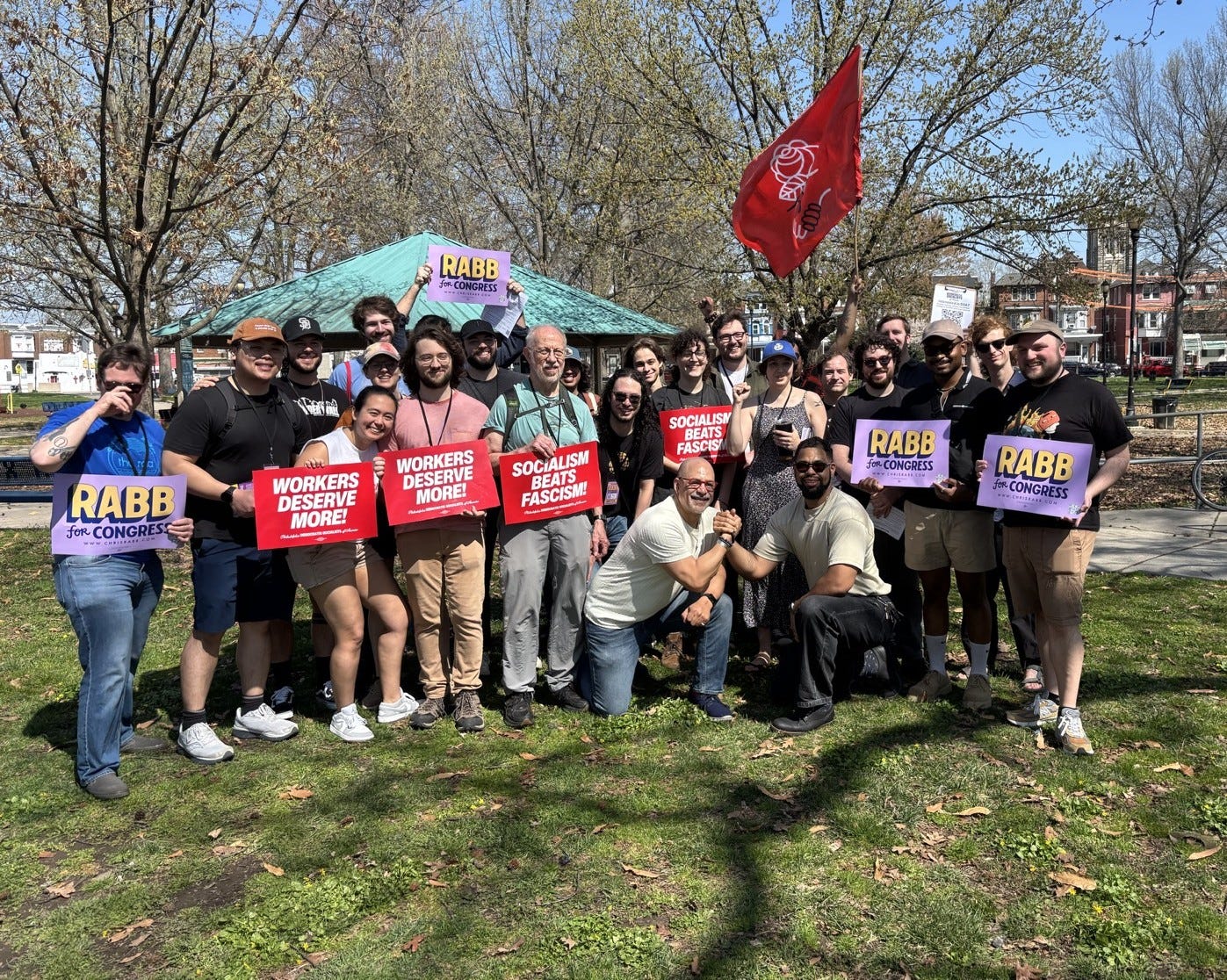
A few weeks later, Philly DSA decided to endorse Rep. Rabb precisely because these conversations had demonstrated his willingness to listen and work with the chapter. After hosting my own fundraiser, I was brought on as a campaign staff member to help with day-to-day field tasks, including driving Rep Rabb to events, helping him on the ground, and whatever else needed to be done. The campaign started out small, so we just started launching our own canvasses as DSA and training field leads to follow the snowflake model. That model, based on training up field leads to run semi-independent canvass launches within their own communities, has become commonplace within DSA campaigns and would become essential to Rabb’s victory. After the chapter endorsement, the campaign began to pick up steam, and we saw many other organizations within the city such as the Working Families Party and Reclaim endorse and support as well.
We hit a huge bump during the winter, however, when Rep. Rabb’s original treasurer stole around $100,000 from the campaign and fled. This led to conversations about whether the campaign was still viable and whether DSA should withdraw. Many thought this was the end. Other partners who had been supportive but had not yet endorsed also began to withdraw, yet many of us still saw the path to victory clearly. Some of my Philly DSA comrades and I viewed this incident as a robbery—a man had been stolen from, and we argued that our response should not be to punish him for it. Instead, we came together and came up with fundraising and canvassing goals, all of which we would later smash. After this hiccup and more intense work in the field, the other organizations mentioned above endorsed and began pouring money into ads and other resources
Once it felt like we were back on track for victory, we refocused on our canvasses in our strongholds West and South Philadelphia, which had been going incredible, as well as the fundraising numbers. However, we were soon met with another bump in the road. The original consultancy firm, named the Sauce, which had been doing most of the campaign work until this point, had signed a contract in which they would be paid half upfront and half after the campaign, dependent on deliverables. After the treasurer incident, however, they agreed to go unpaid for some time while the campaign got its feet back on the ground. Once there was a solid cashflow again, they returned to negotiate pay. According to the original contract, however, the campaign had not been hitting their deliverables, which led to disputes over pay. Ultimately they walked.
Around this time, U.S. House Representative Summer Lee’s campaign staff came over from Pittsburgh to help out. They brought with them their own experience and reputation and took up a lot of the vacant spots within the management of the campaign. This transitionary point also coincided with increased social media attention on the campaign. Hasan Piker and other leftist influencers shouted out the Chris Rabb campaign and discussed his platform. Philly DSA, it must be said, has its own influencers and political actors with connections to larger influencers and was the primary catalyst for this attention. As the attention on the campaign increased and Summer Lee’s staff became more entrenched, us staff members still around from the beginning saw our roles minimized and our involvement lessened. It was disheartening to feel pushed out of the day-to-day, but I understood that this was a part of the process. This was still my first serious job on a campaign, and the people brought in had years to decades under their belt and were far better equipped at running a successful campaign
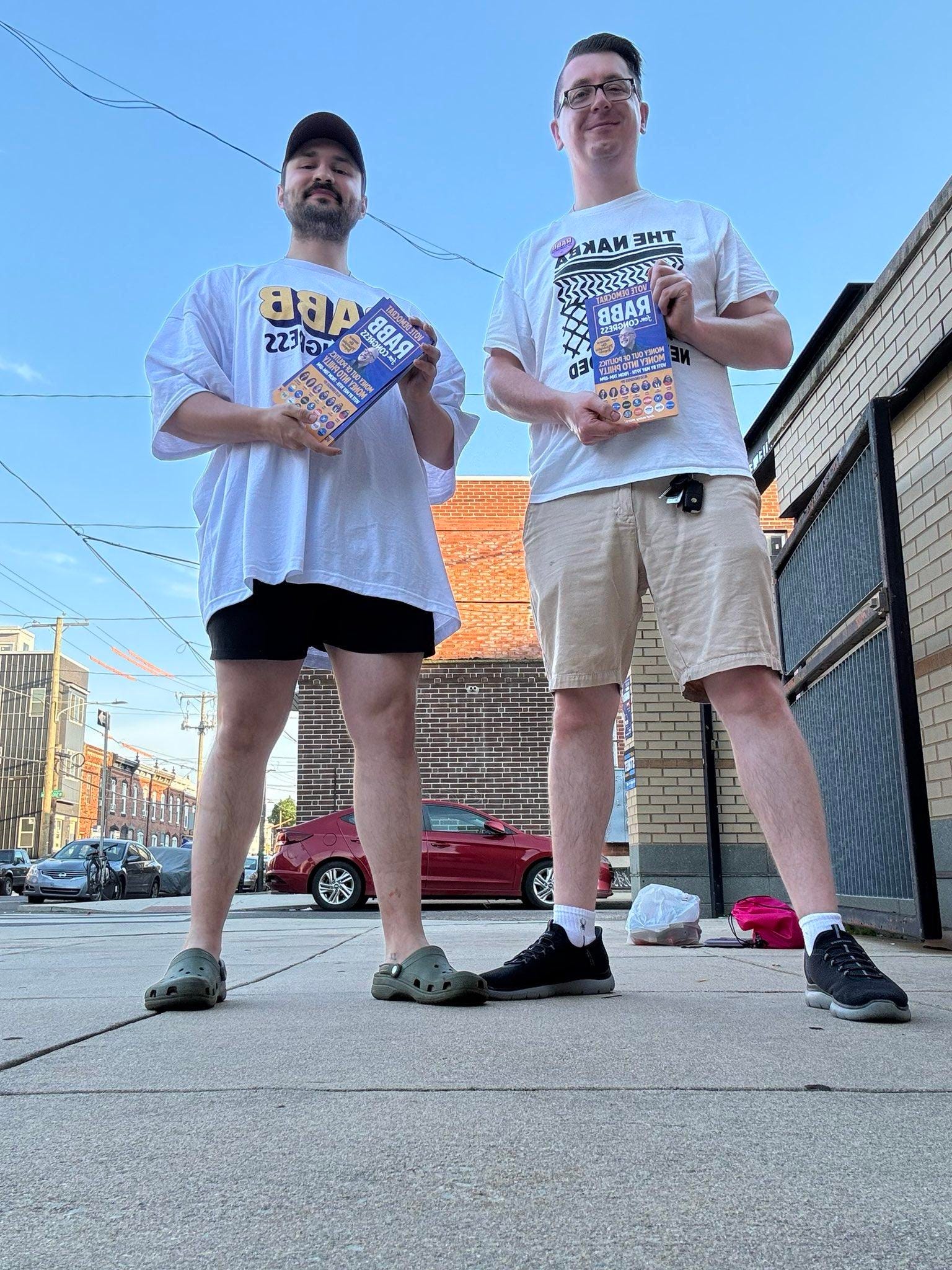
We noticed, however, that with this increase in attention and clout came many opportunists who clung to the campaign for their own individual career growth and cut out many others, including DSA, from key functions like communications and resource access. The tension between Philly DSA and certain individuals, as well as other progressive organizations, became clear in the field. DSA-led canvasses would not get lists until the day of. Sometimes they even received incorrect lists, and the literature became increasingly less radical in messaging. Rep. Rabb has a strong history of supporting abolition work. This was reflected in his messaging, but we saw this get downplayed in favor of messaging affordability. We switched away from agitation around issues of abolition, Palestine, and Imperialism to simple messaging of Universal Healthcare, Fighting Corruption, and stopping Trump. We had entered the field strongly by tying more complex issues to the crisis of affordability in an articulate way, but that slowly shifted as staffing changed. Affordability messaging plays strongly in areas such as West and South Philadelphia due to the majority being transplants and younger people who rent, but those were areas where we were already strong. Some of us wanted to strategize how to expand our bases into North Philadelphia, which is primarily home-owning Black Philadelphians, where affordability does not play as well as issues surrounding police patrols and the prison industrial complex.
Once it became clear that I no longer really had a real role within the internal portion of the campaign, I transitioned further into bolstering the DSA’s place within it. A few comrades and I started to lead anti-war focused canvasses in neighborhoods we had ignored throughout most of the campaign such as the North Philadelphia neighborhood Strawberry Mansion, one of the poorest areas of the city. Multiple days a week for many hours—sometimes even full 9-5 shifts—we talked to folks in these neighborhoods about the amount of money Philadelphia alone spends on the military and connected that to local school closures and crumbling infrastructure. We gained valuable insights through conversations with folks who rarely got to talk about these things with people outside their communities on a variety of topics, such as the increase in police violence against young men, the lack of rehabilitation after people had gotten out of prison, and what they saw as being forgotten by the system which they helped build and maintain
Many Philadelphians said they were simply not going to vote in this election or that they did not even know an election was going on. Many would also say things like, “After this is over, we are never going to be seeing you again.” Quite a few people in these neighborhoods were happy to hear about our socialism and the messaging of Rabb’s platform. We made a lot of success and noise within this area, but this was to be expected, as the ward we primarily canvassed in was one in which Rep. Rabb had already done well in his State House election. While we continue to win in areas that are wealthier, whiter, and genuinely tend to vote for progressives, we still struggle in a lot of neighborhoods where socialism ought to be building its base. This is not to say that we lost outright in all non-white working class neighborhoods, as Rep Rabb did win many wards that progressives have never won in, but there is still work to be done
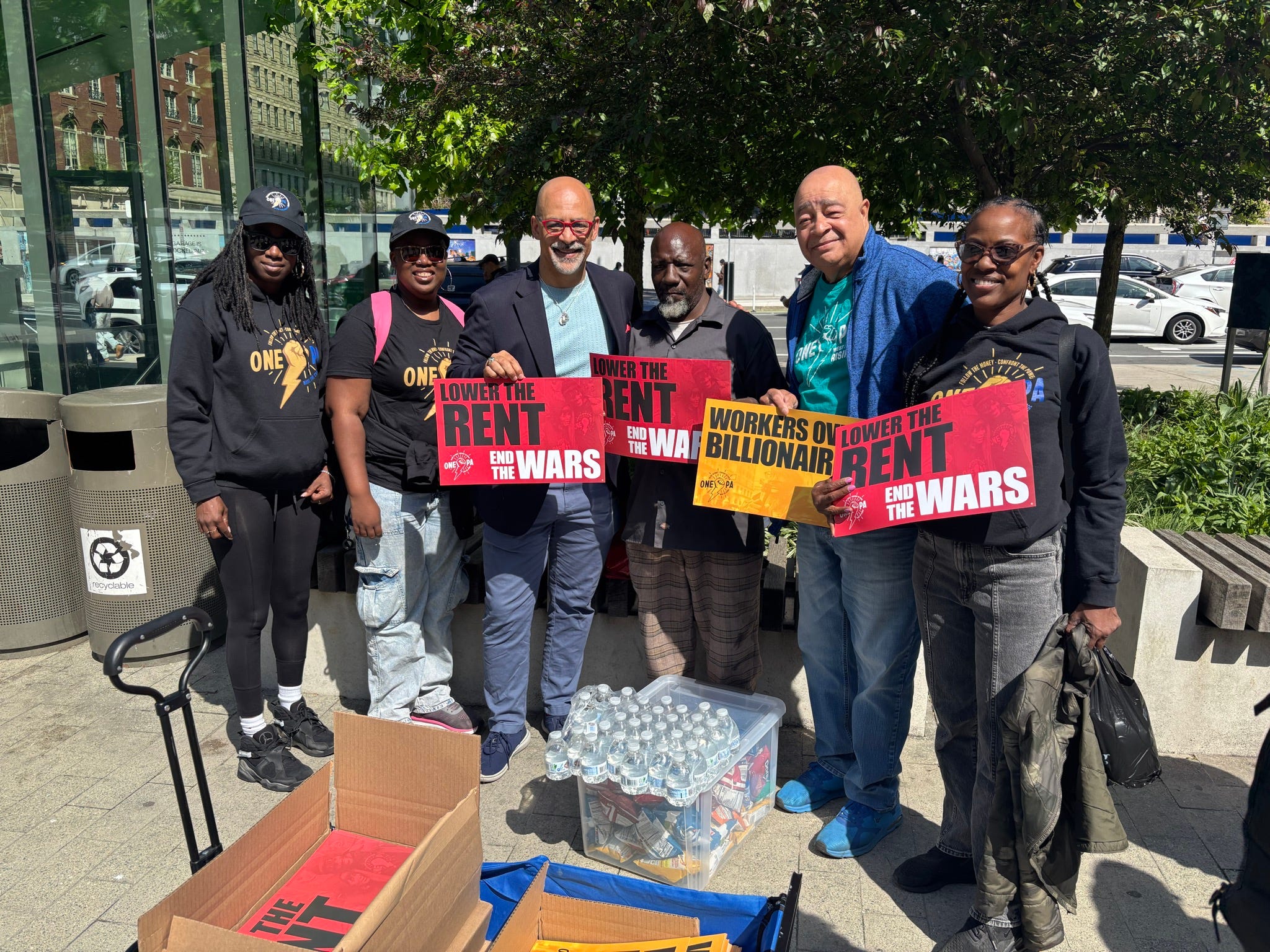
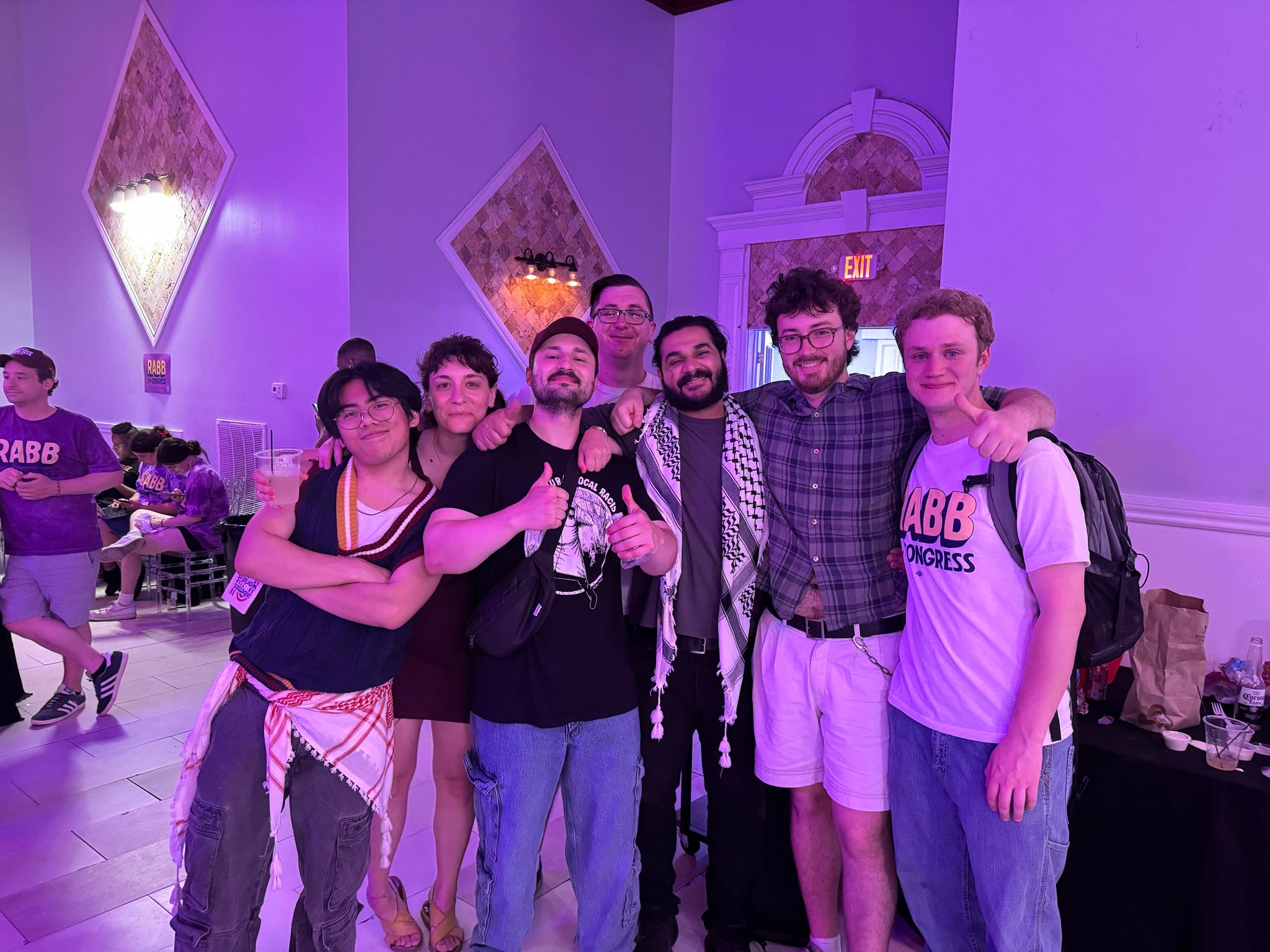
.Finally we get to the election itself, which occurred on a beautiful, crisp 100-degree summer day. I was in charge of one of the polling pods in the area I grew up in. I ensured everyone was at their spots and doing their job as well as keeping the supply of water and campaign literature. In total, Philly DSA recruited around 300 poll-day greeters and many outside organizations supported as well, such as One PA. Philly DSA poll greeters were primarily in our strongest areas of West and South Philly, with additional greeters in other areas such as the North West.
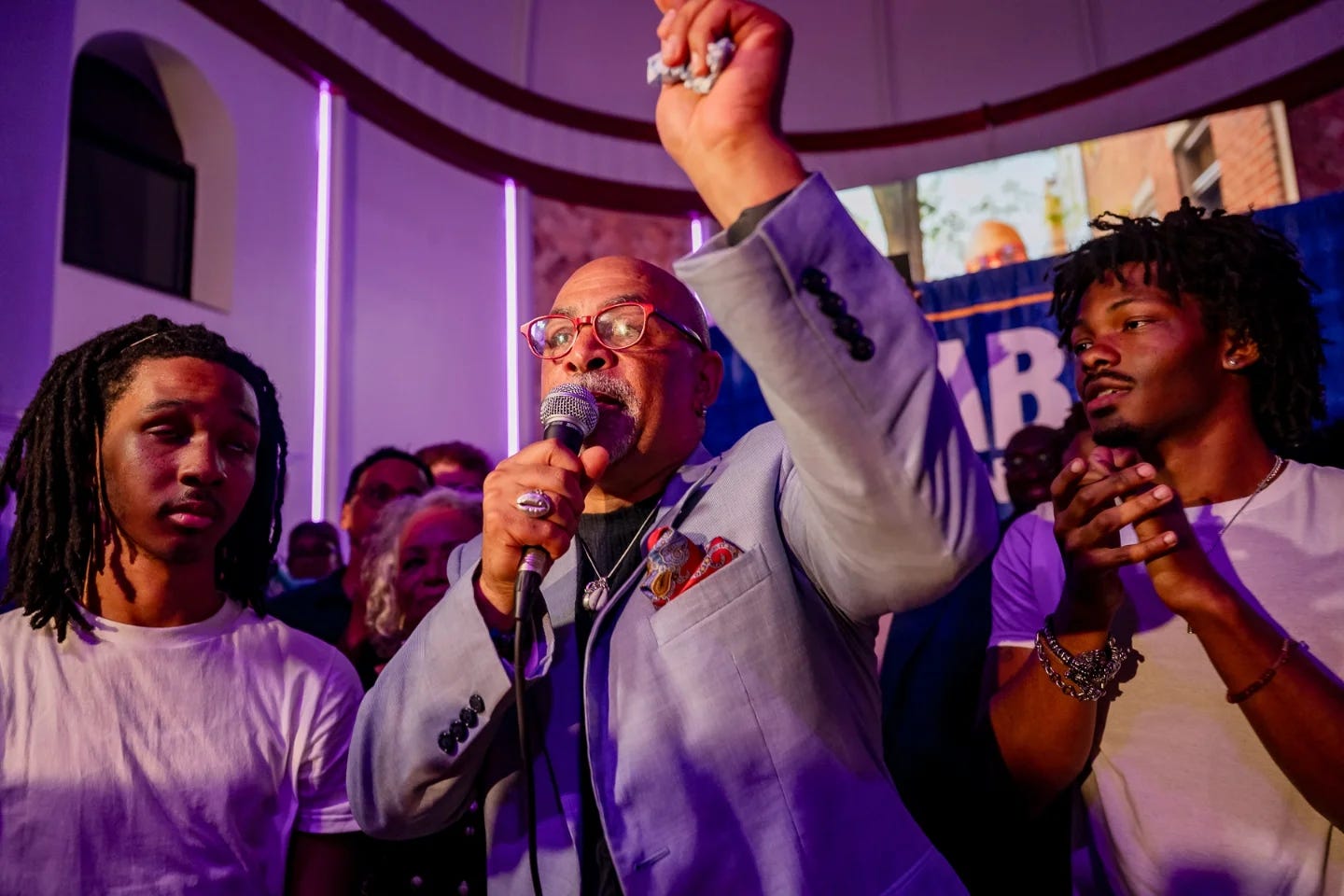
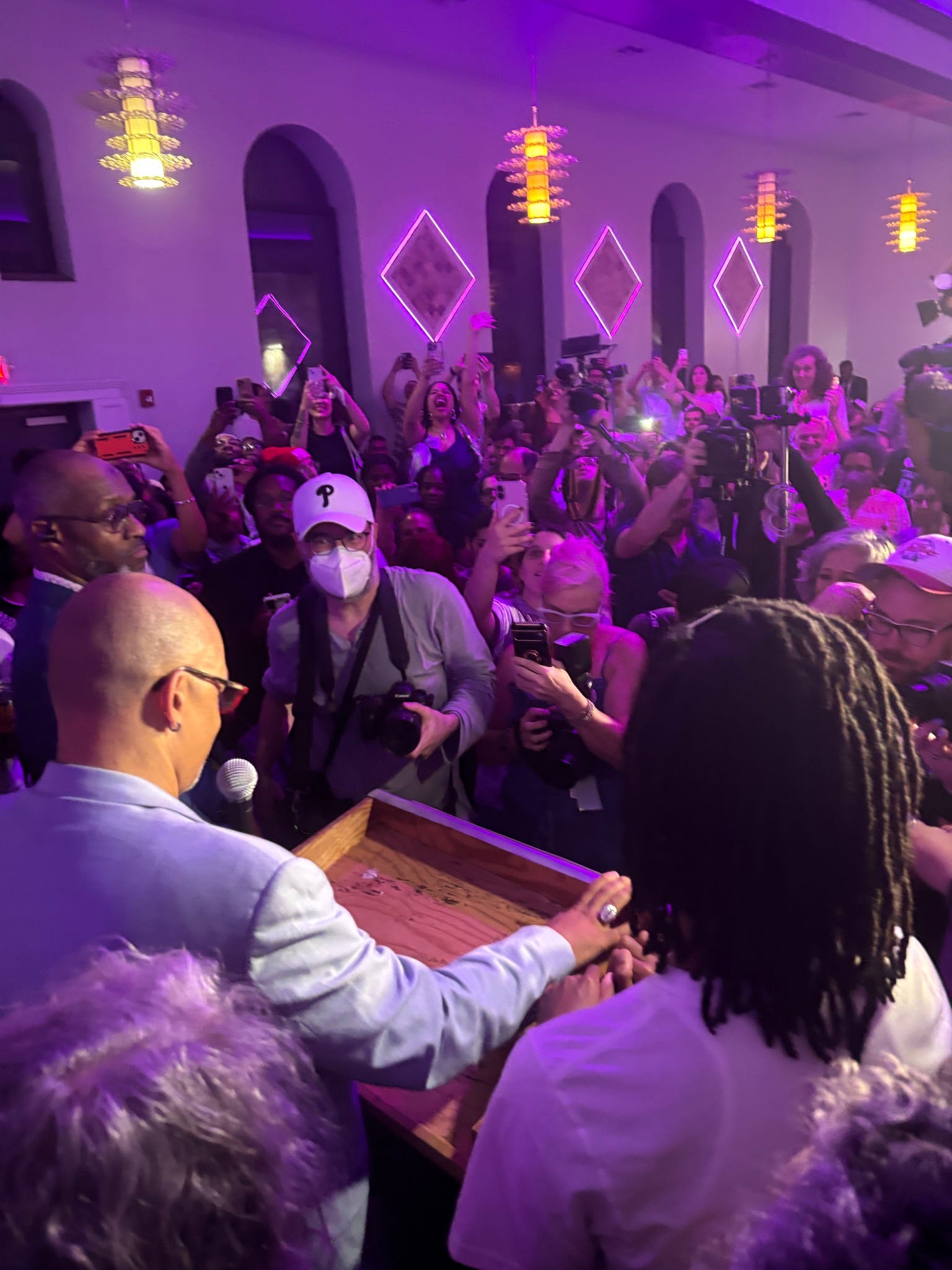
Now to say this was a chaotic day would truly be an understatement. I was tasked with putting up yard signs at the majority of the polling stations throughout the North West portion of the city, where we would not have greeters until the later part of the day. While I was frantically driving around and putting signs up in the heat, rivaling campaigns were having their greeters go into the polling stations with voters and attempt to electioneer all over the city, which lead to some fights breaking out. District Attorney Krasner had to step in and quell the situation before it got too serious. Eventually things calmed down. We got through the day without any major mishaps, and it was clear that our election day operations were hugely successful in securing the win. As the polls began to close and people headed over to the watch party, one final issue arose. Dozens of our greeters from DSA, the campaign, and other groups had issues with getting paid for their hard work during the day, as there were issues in communication and confusion about logistics. And so, while many people were going into the watch party with smiles and hope, a crowd of primarily black and brown Philadelphians grew awaiting their paychecks, an unfortunate end note to the campaign. Many people were able to get their payments that night, but it did take a few days following election day to finally get everyone what they were owed.
The Aftermath
After the election came a lull period. Many of the staff, including myself, were dropped from the campaign, as was expected. Communications and events went on pause as Rep. Rabb attended to family matters and took a much-needed rest from the tiring campaign season. During this time, a number of other incidents required the chapter’s attention such as the legal case of the Swarthmore 9 and providing support to our North New Jersey DSA comrades demonstrating at Delaney Hall. These issues would often get tied up in the mess of communications that followed post-campaign, and we tried many times to get the attention of the campaign comms director, but it often did not make its way through. Where getting these events flagged for attendance or having statements released for them would fall on deaf ears or see delays, Rep. Rabb and the team did a good job at supporting other DSA candidates throughout the country through phonebanks, canvasses, and events.
This, to me, highlighted a shift in operations that started with the initial staffing changes mid-campaign and then solidified post-campaign, as the team moved from organizers active in movement spaces to organizers primarily active in consultant spaces. It seemed to me, as someone who was now outside facing in, that electoral projects had taken center stage much more than they had previously. That inevitably limited communications between the other spaces in our chapter and coalition work. There were a few other mishaps in communications between the local chapter and the Rabb team, such as planning Philly DSA canvassing trips to NYC that would have involved Rep. Rabb, but somewhere along the line of communication it got mixed up, and so on.
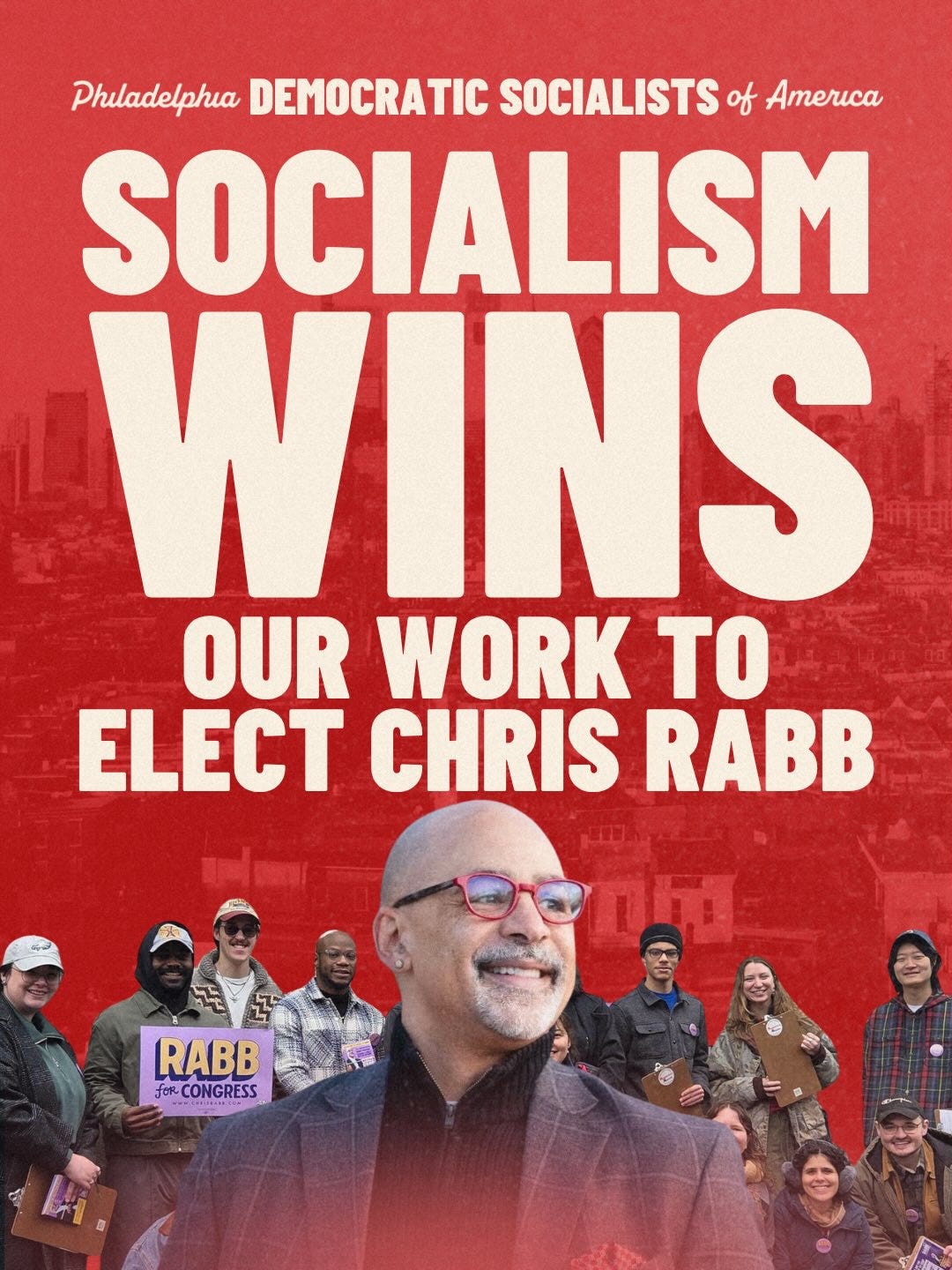
In the end, Philly DSA’s support for Chris Rabb’s campaign brought about far more good than bad, especially in bringing in new members and energizing the chapter from a period of rebuilding following the collapse of Philly Momentum. For a while, Philadelphia DSA was seen as insular by the larger organizing community within the city. That reputation led to many organizers joining either sects such as PSL or NGO-style progressive organizations like Reclaim or WFP. This campaign showed many that we are an entirely different chapter than in the late 2010s and early 2020s. It also brought a lot of hope to many Philadelphians that change is still possible and good things can actually occur in our deeply corrupt city. It illuminated the many fault lines within the deeply entrenched political machine that runs this city for the few and not the many. It brought us a new congressman who will most likely be one of the most radical in American history once he finally takes his seat. Philly DSA was also able to learn a lot about how to properly run a campaign of this size, how we should train canvassers, and where we might be able to go from here.
The Chris Rabb campaign, however, also illuminated the many issues still present in our chapter, primarily around the issues of racial justice and how we deal with that in our chapter work. I illustrated some of those issues in earlier sections of the article, but we are now faced even more acutely with how we ought to organize as a majority white organization within a majority non-white city. We need to answer how we show up for our neighbors and communities of color outside of just door-knocking to ask for their votes, how we ought to create spaces for organizers of color to feel comfortable, and how we expand our base to these communities, so that we may actually take on a revolutionary characteristic rather than a white gentrifier, reformist appearance.
The other issue that got brought out from this campaign was the undemocratic structure of Philadelphia’s Electoral Committee, which has an Organizing Committee composed of non-elected appointed members selected by the previous committee. This structure was originally put in place after the fallout from the Momentum era when everything was in chaos. The Electoral Committee was needed to maintain the ship as it recovered from a crash. Yet, as we have grown tremendously and new members are wanting to get further involved, it has hit a wall created by its design. New members regularly report not being able to properly get involved in the work they want or feeling as if they ultimately do not have a say in this work. To them, on the outside, it feels like a specific social clique has the actual power within this committee, and that other members are merely there to do the legwork. This has led to conversations, sometimes getting heated, about what reforms might democratize this committee, yet this has still not led to any results.
Lastly, I would like to address a critique of this campaign that has been thrown around so many times, from both sides of the DSA spectrum nationally and locally—that Rabb was not a DSA cadre. To be transparent, I believe that DSA should primarily recruit, train, and run cadre candidates for any race we choose to pursue. My experiences on this campaign only reinforced that belief. When Philly DSA was first debating Rabb’s endorsement, we did not have a bench of cadre, nor do we have one now. Rep. Rabb was a fairly unique case in that he had a legacy as one of the most progressive state house representatives in Pennsylvania, if not the country, and was clearly going to be a great addition to our pool of elected candidates. In the cadre discussion for electoral projects, the question is not whether a person individually has been ideological forged in the chambers of DSA organizing. It is possible to have great politics without being a DSA member. The issue with not running cadre candidates emerges from staff hirings, message control, platform, and relationships
There are many great potential democratic socialist candidates out there that we could endorse that may not be in the organization for one reason or another. But that is not what builds these projects towards success. It is the people behind them. The problem, and point to this article, is not to cast any shade on Rep. Rabb the individual, but rather to show how the campaign was run and transformed as it grew. We ran into so many issues as we expanded and moved forward, because this was not a DSA cadre campaign. Staffing was never primarily composed of DSA members. Some of those staffers were even hostile actors towards the project of DSA due to their origins as NGO staffers or consultants who do not share the same world view and positions as us. At certain points, staffers brought in later on seemed motivated by careerist reasons rather than the goal of all DSA electoral projects, building towards an independent mass party.
The results of this were apparent as stated earlier. We often lost control of messaging in statements, or responses, whether that was Palestine or giving room to more liberal solutions of affordability. One of the most apparent examples of this was around abolition, which is an incredibly popular position within the Philadelphia working class base and what I consider Rep. Rabb’s greatest strength when it comes to talking to people. Rep. Rabb is able to articulate a vision of abolition in inter-personal discussion and speeches that few other candidates in recent memory have been capable of. Yet, this vision was pushed aside for blanket affordability messaging.
As we move forward with the Electoral program and campaigns in DSA, it is becoming increasingly apparent that these campaigns must and have to be run by DSA members with experience and who understand the communities they are working in. We can no longer afford to cede ground to those who see these campaigns as merely career growth opportunities or have a modest view of Democratic Socialism. We need both bold leaders, as well as strong organizers, dictating the future of these campaigns. We started this cycle of electoralism with a small bench and inexperienced electoral organizers. Now, we are seeing a massive rise in membership that needs to be transformed into a machine able to produce loyal and brave cadre members to run for office as well as staff these campaigns.